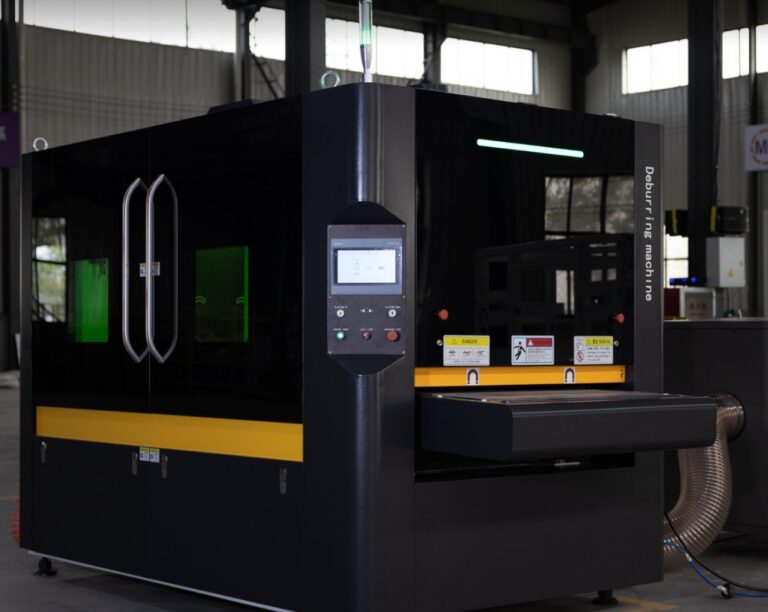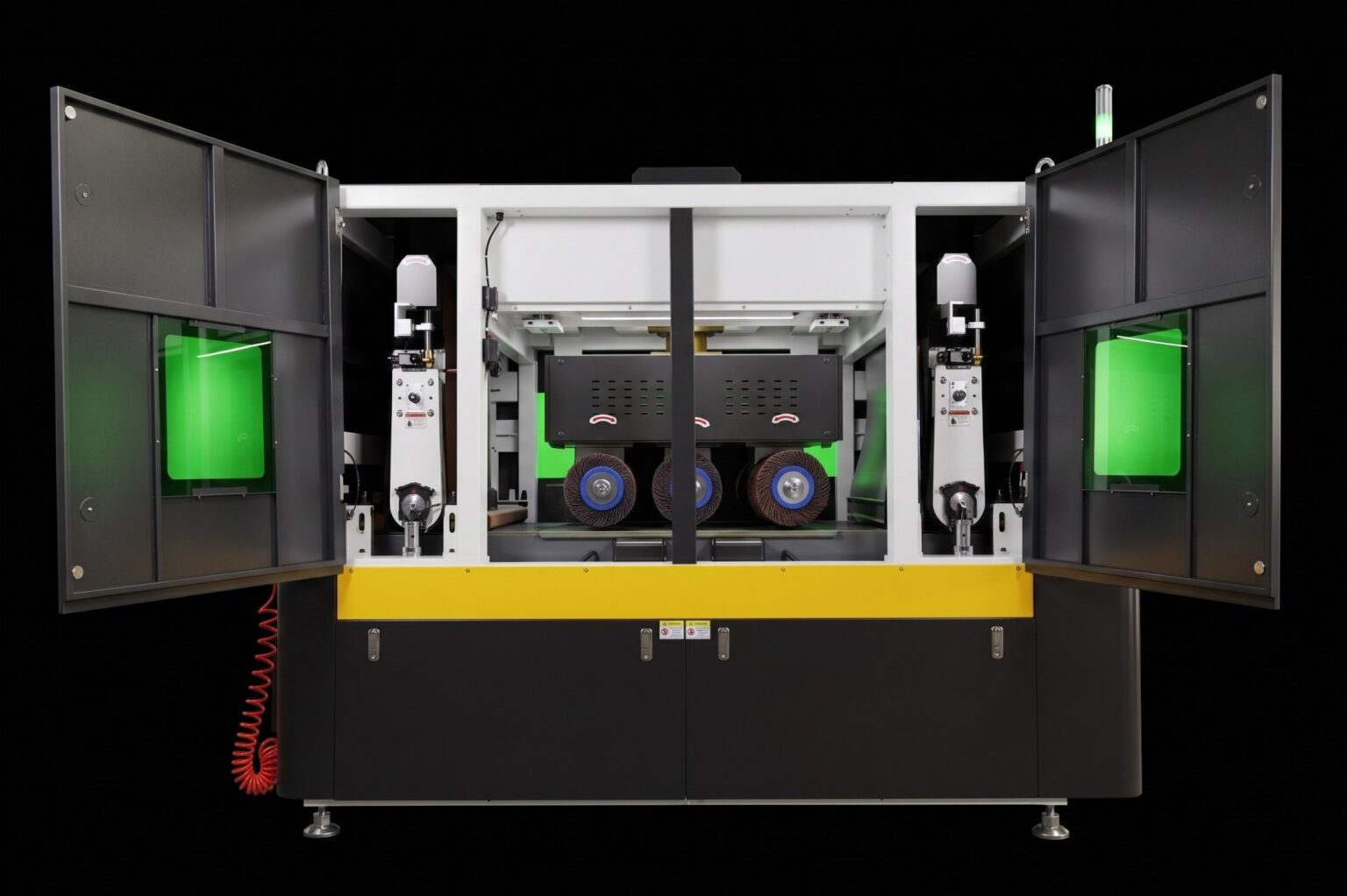
Starting such in-depth inspection concerning automatic mechanisms constructed intended for removing burrs represent modernized industrial functions, guaranteeing substantial positive effects through efficiency and grade. This report explores the several types of machines, embracing brush-based spraying components, rotary instruments, and advanced programmed applications. We will explain the pros of integrating this automation, comprising lower employee overhead, enhanced product uniformity, and amplified manufacturing efficiency.
Perimeter Deburring Instruments: Definite Refining Elaborated
Edge beveling units offer a advanced solution for generating faultless processing on products. Different from manual techniques, these programmable units provide steady consequences and decidedly enhance assembly competence. They commonly deploy assorted buffing implements like carbide discs, finishing plates, or specialized forms to clear sharp tips and defects. That kind of process is vital in a extensive scope of domains, featuring vehicle and instrumentation.- Improve component finish
- Lower processing charges
- Raise productivity and capability
Slag Removal Mechanisms: Gaining Immaculate, First-Class Facades
Latest metallurgy techniques regularly generate significant amounts of slag, a byproduct that, if overlooked, can severely weaken the integrity of the output. Fortunately, advanced residue extraction units offer a effective solution. These custom machines, employing techniques like scraping, are designed to rigorously eliminate this unwanted material, ensuring a pure and premium surface. The resulting improvements include reduced rejection rates, upgraded aesthetic appeal, and an overall growth in throughput. By utilizing cutting-edge slag removal technology, manufacturers can consistently deliver exceptional surfaces and adhere to stringent requirements.
Sheet Fabrication Finalizing: The Benefits of Deburring Machines
Realizing a excellent surface on sheet metal segments is imperative for functionality, and deburring mechanisms present major profits over physical methods. Eliminating burrs speedily not only improves the overall quality of the material, but also deters potential faults during manufacturing and functioning. In addition, intelligent deburring procedures advance operation speeds and curtail labor charges.
Optimizing Sheet Metal Production with Automatic Deburring
With the aim to boost effectiveness in sheet metal creation, evaluate mechanized deburring processes. Classic deburring is frequently demanding and prone to irregularities. Employing automated deburring presents significant improvements, encompassing lower employment costs, augmented component precision, and expanded throughput. This funding could substantially repay themselves.Electing the Ideal Deburring Apparatus for Your Assignment
Recognizing the most suitable deburring device for your specialized needs comprises a careful assessment of several considerations. Primarily, examine the variety of substance you're handling – copper requires particular techniques than carbon fiber. Moving forward, consider the volume and form of the elements needing finishing touches. In the end, deliberate your production output; a large-scale operation necessitates a distinct type of equipment than a limited one. Omitting to recognize these criteria probably yields inadequate results and growing spending.
Edge System Process: Changes and Improvements
Contemporary edge trimming apparatus technique is undergoing rapid advancement, prompted by the needs for higher precision and efficiency in routines steps. Critical changes encompass the implementation of automated systems for elastic burr removal steps, alongside developments in finishing process. We're likewise detecting a boost in compact edge-removal instruments adapted for targeted uses, and advanced procedures like electron beam edge-removal are winning interest. The prospect points towards heightened networking of edge-removal mechanisms within the digitized workshop location.
Upgrading Metal Segment Reliability with Outline Smoothing
Many fabrication processes for titanium parts introduce sharp edges, which can lead to stress areas and vulnerabilities that damage overall durability. Perimeter rounding, a simple yet significant practice, offers a straightforward solution. It includes slightly trimming the harsh edges of a section during the fabrication stage. This moderates stress zones, heightens functional effectiveness, and can stop damaging. Benefits are further amplified when dealing with demanding configurations or parts subjected to intense force. Considerations include the optimal bend of the round and its influence on coupling with other pieces.
- Curtails Stress Concentrations
- Boosts Longevity Performance
- Deters Damaging
Residue Cleaning vs. Edge : Comprehending the Divergences
Albeit many engineers use the expressions “slag processing” and “deburring” synonymously, they denote distinct approaches Slag Removal Machine in metal fabrication operations. Bur treatment focuses on eliminating the sharp, often tiny, projections created during processing operations—these are excess remnants of metal left on the component. Residue elimination, conversely, addresses those byproduct – typically a combination of slag – that materializes during processes like joining. Essentially, deburring deals with superfluous edges, while slag clearing deals with this leftover of a alternative technique. To sum up, automated deburring and residue removal systems are important components of modern metal workshop that deliver top-notch finished products with decreased defects and boosted efficiency.Ending the report stresses the essential role of progressive automated deburring technologies in boosting construction requirements and guiding businesses obtain boosted productivity and caliber.