Across the expanse of historic epochs,
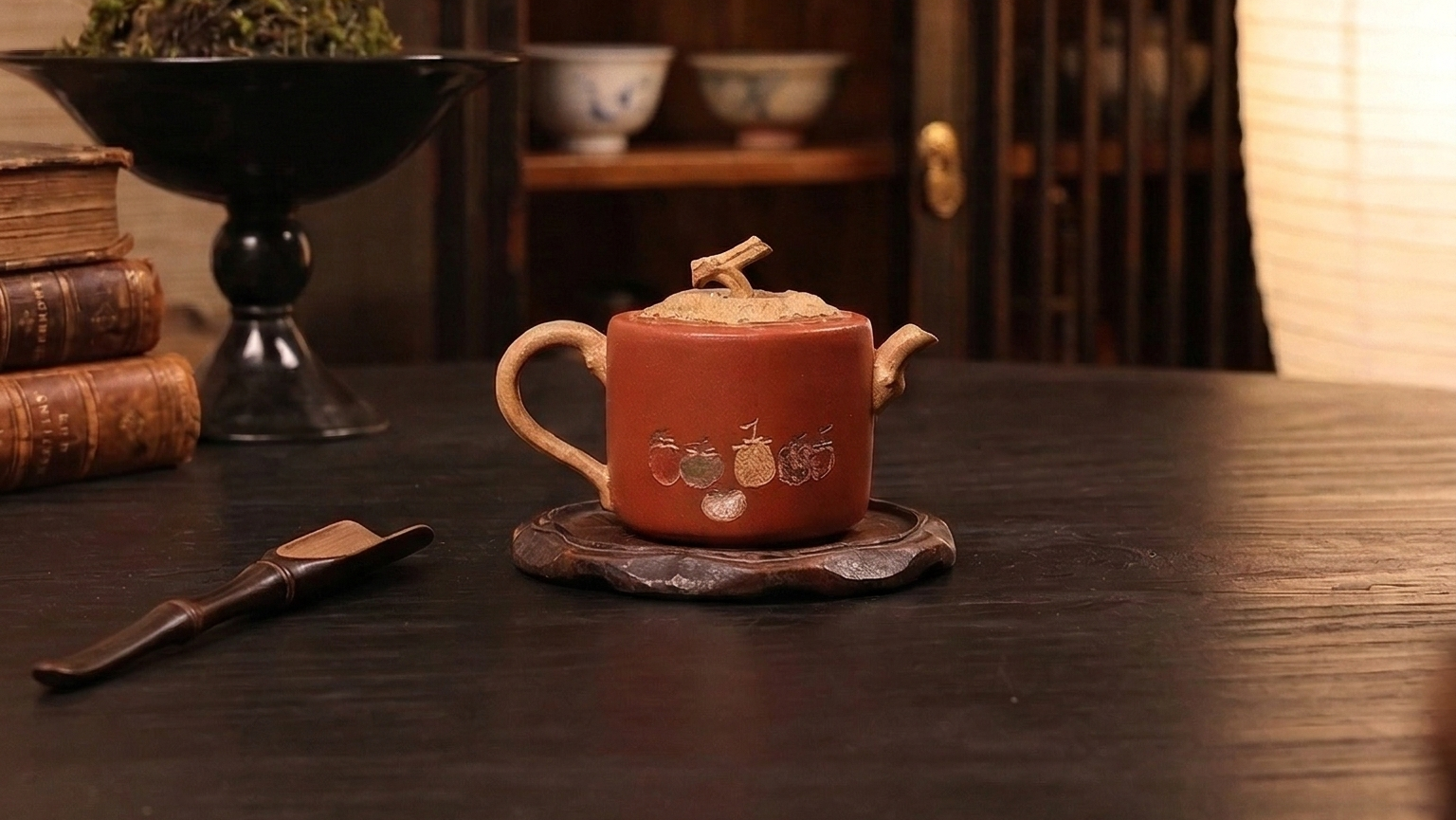
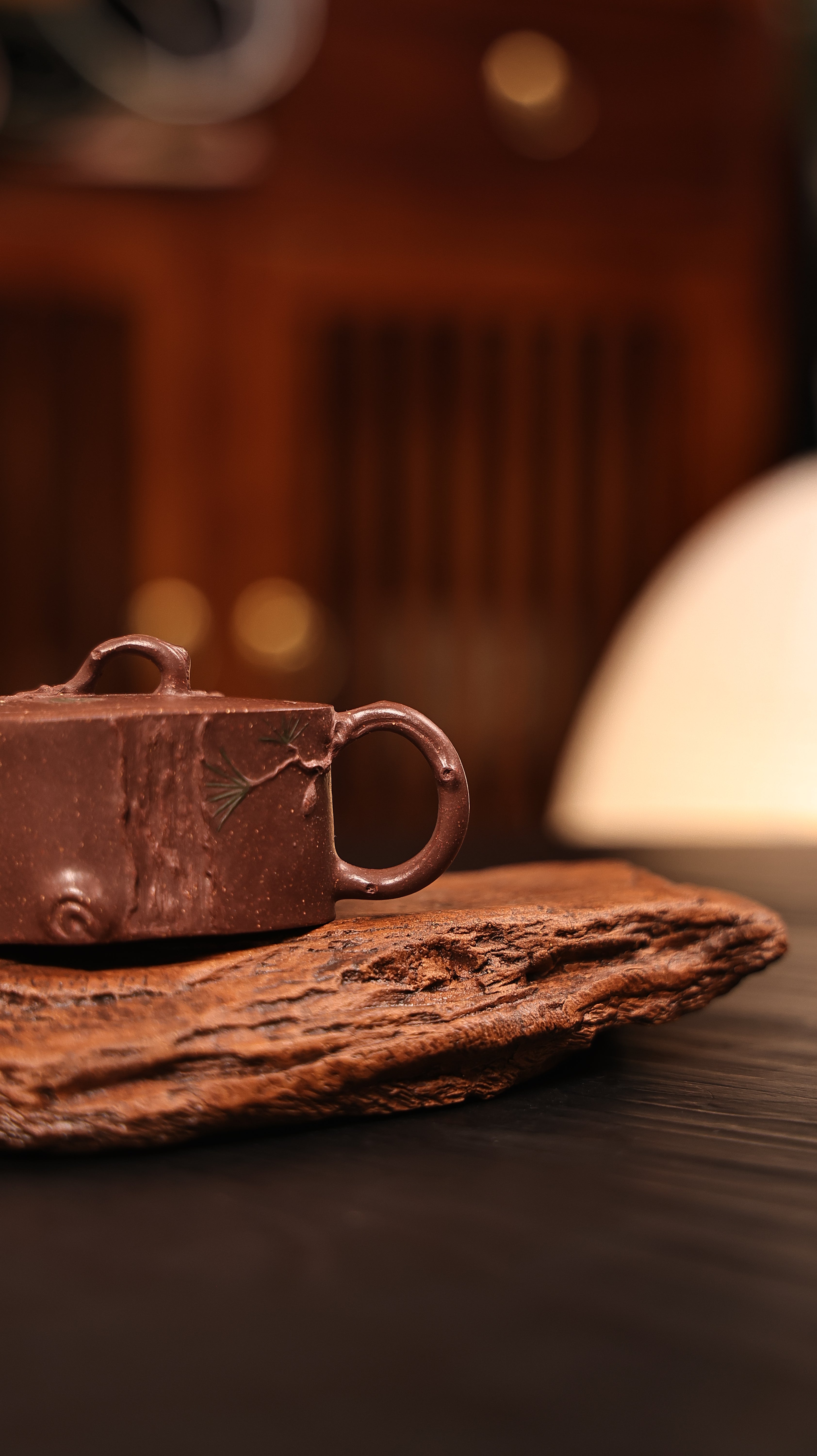
Amidst eras, admirers have been mesmerized by the singular charm of Yixing Zisha containers. Originating from the area of Yixing in China, these pieces are renowned for their outstanding beauty, limited clay, and innate ability to augment the savor of the beverage. The substrate's distinctive mahogany hue, combined with the masterful fabrication of native craftsmen, creates pieces that are simultaneously functional creations and precious possessions. Owning a Zisha teapot is more than just the purchase; it's embracing a rich civilizational heritage.
Investigating Yixing Teapots: Ancestry, Forms, and Merit
Yixing teapots manifest a fascinating legacy deeply intertwined with Chinese culture. Beginning in the Yixing region of Jiangsu province, these clay vessels have a heritage dating back to the Ming Dynasty. Former examples were functional, but along centuries, Yixing teapot fabrication evolved into an esteemed art form. The clay itself, known for its unique character and ability to improve the flavor of the tea, continues a defining factor. Yixing teapots emerge in various designs, broadly categorized by shape: Traditional such as Zhuni (purple clay) and Bisheng, as well as custom designs. The merit of a Yixing teapot relies on several Yixing Zisha Teapot factors, including the potter’s reputation, the age of the piece, the rarity of the clay, and its aesthetic grace.- Chronology: Early periods
- Medium: Assorted selections
- Valuation Parameters: Historical period
Zisha Pot Expertise: Craft and Artisans
Unique crafting of a bona fide Zisha teapot is a complicated process, requiring generations of mastery. Expert artisans meticulously select the premier Zisha clay, a distinctive earth found only in specific regions of China. Heritage-based techniques, often transmitted through families, involve rigorous shaping, refined carving, and calm firing in ancient fireplaces. The final teapot isn't merely a holder; it's a testament to artistic vision and the intense connection between the sculptor and their roots. Each artifact showcases the unique touch of the specialist, resulting in a truly exceptional work of making.
A Clayware: Discovering the Extensive Traditions of Yixing Area
Celebrated Yixing, nestled in Jiangsu the area, is globally renowned for its exceptional earthenware – a tangible representation of centuries of Chinese artisanry. These aren't merely vessels for preparing tea; they are intricate works of innovation, often reflecting conceptual ideals. Yixing's unique purple clay, known as Zisha, possesses unique qualities: the element dense, breathable, and imparts a subtle essence to the tea.
- Multitudinous families have honed the techniques of Yixing ceramic making, passing down time-honored methods through successions.
- Enthusiasts prize these pieces for their appearance and exceptionality.
- Each vessel tells a narrative, connecting the tea lover to a rich foundation.
Acquiring Yixing Zisha: Crucial Elements
At the time of assessing procuring Yixing Zisha teapots, various considerations necessitate careful inspection. Preliminarily, the ingredient's color is significant; authentic Zisha usually exhibits a particular carmine depth. Also, consider the production; detailed attributes and a clean veneer indicate skillful workmanship. Finally, research the artist’s reputation; renowned names command higher figures and often bestow a reliable reward.
Mastering Tea Brewing Using a Zisha Pot
Preparing delicious tea with a Zisha carafe is more over a simple practice; it's an science. Zisha clay, famous for its unique geological composition, imparts a delicate character to the finished tea that’s often deficient with other utensils. The ideal water degree is essential; typically, moderated than what's used for black tea, to sustain the tea's bouquet and character. Consider thoroughly the tea form; delicate green teas or aged pu-erhs improve from the Zisha’s ability to ease their intrinsic edge. It’s important to condition the teapot stringent to brewing, and to stop over-steeping. Mastering this technique leads to a rightfully exceptional tea moment.
- Comprehending Zisha Clay
- Thermal Measure & Tea Sort
- Role of Pre-treatment
Preserving Your Yixing Earthenware
So as to ensure the continuity of your beautiful Yixing jar, routine care is critically essential. Shun using abrasives; instead, softly immerse it with pleasantly heated moisture. Avoid sharp heat; please don't put the earthenware directly onto a heated foundation. Periodically, mature the urn by infusing it with first-rate dark drink, as this contributes to amplify its patina and maintains the distinctive features of the clay.
Dealing with Soil to Chalice: The Path of a Renowned Teapot
This creation of a Zisha teapot is a extraordinary method, a evidence to both nature's bounty and the ability of the specialist. It starts with the diligent extraction of the extraordinary clay from the violet Zisha mines in proximity to Yixing. This pristine material, known for its outstanding traits, is then steadily cleaned and molded for the early forming. The teapot's design is masterfully assembled using a combination of time-honored molding strategies, often incorporating intricate embellishments. Following maturing, the urn undergoes a paramount first firing, succeeded by a coating stage, which might involve several different layers of authentic Zisha films. Finally, a second, and sometimes third, firing at high temperatures finishes the product, revealing its finished beauty and fantastic characteristics - a true masterpiece, available to enrich a tea event.
{Yixing Teapots: A Sign of the Legacy and Tribute
Famous Yixing teapots, originating from the noted Yixing region of Jiangsu province, are far more than mere vessels for brewing tea; they represent a profound aspect of Chinese customs. Made from distinctive purple clay – zisha – these remarkable teapots are highly treasured for their ability to complement the flavor of the tea and, crucially, for their artistic merit. The tradition of Yixing teapot making spans centuries, and the expertise involved is transmitted through generations, making each teapot a beautiful object that embodies classical techniques and a profound appreciation for the refined pleasures in life.