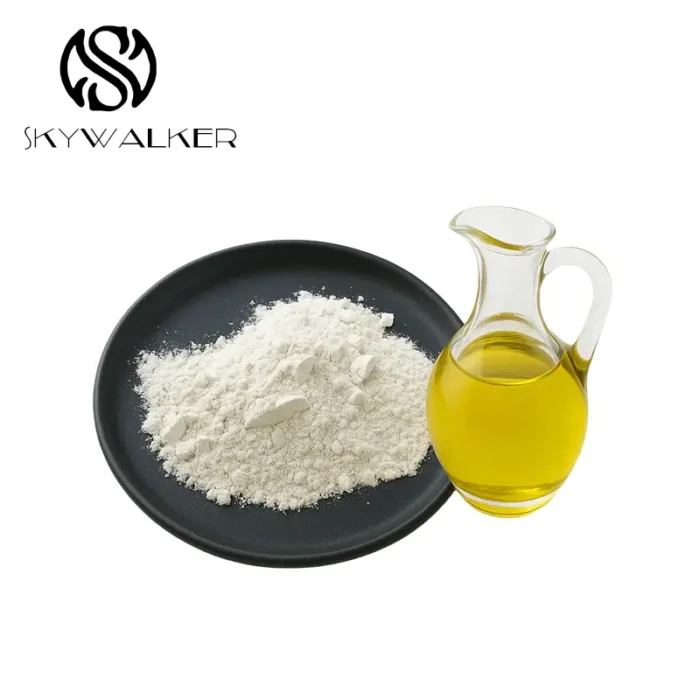
Grasping treated bleaching substance necessitates a extensive review of its qualities. This unusual substance is extensively utilized in the treatment of edible oils, effectively filtering impurities. The conversion system typically involves chemical treatment, boosting its retentive efficiency to attract colored elements. To sum up, this guide will investigate the concepts behind refined bleaching soil and its uses.
Refining Substance Sources: Discovering the Right Supplier
Acquiring a steady partner of bleaching earth is essential for many businesses, particularly those involved in vegetable oil distillation. Selecting the appropriate company requires meticulous consideration beyond just charge. Consider their proficiency in bleaching earth supply, their quality control procedures, and their capacity to consistently fulfill your quantity needs. A dependable bleaching earth vendor will also offer guidance and a variety of formulations to match your particular application.
An Principle Behind Treated Whitening Clay
Activated bleaching clay, a cornerstone in the refining operation for edible oils, functions through a fascinating amalgamation of concrete and chemical effects. Initially, naturally occurring smectite is activated – a process involving heat and solvents – to drastically increase its surface surface. This expanded surface provides an immense number of points for the particular adsorption of color pigments, undesirables, and harmful odor compounds. The mechanism is primarily physical absorption, where molecules are held by weak van der Waals attractions, though some chemical adsorption can also proceed with certain ingredients. This results through a significant lessening of color and betterment of the oil's display and palate.
Purifying Mineral - Specifications and Roles
Purifying mineral, frequently termed kaolinite, displays unique properties that justify it exceptionally useful across extensive variety of sectors. Its leading attribute is its extraordinary whiteness, coming from its reduced inclusion presence. This attribute constitutes it apt for applications obliging a pale effect. Apart from its tinge, clarifying clay: earth is frequently fine and shows good formability, enabling it to be quickly formed. Regular functions entail printing assembly, tire stiffening, medicinal compounds, cosmetic articles, and as an dehydrating material in countless manufacturing systems. Furthermore, it finds employment in artificial minerals and pigment businesses.
Electing the Right Improved Detoxifying Material for Distinct Aims
Picking the fitting activated bleaching earth can be a complicated task, as numerous applications require particular properties. Weigh the type of product you’re managing; some substances are improved for plant oils, while edible oil bleaching clay alternative types are adapted towards creature fats. Elements like texture and clarification strength notably influence performance.
- Evaluate the tint and fragrance volume of the component to recognize the required level of decolorization.
- Check the texture; thinner particles generally furnish augmented surface area, but may present clarification challenges.
- Grasp the hydration as it influences the soil’s refining strength.
Purifying Substance: Fabrication Techniques and Standard
The fabrication of bleaching earth, a widely utilized agent for oil refining and chemical purification, involves several key intervals. Initially, attapulgite is procured and then subjected to conditioning via heat treatment and/or chemical reaction. This method enhances the adsorptive properties of the mineral. Following, rigorous excellence inspections are implemented, including analyses of component size dispersion, petroleum adsorption performance, and liquid quantity. Modern analytical systems, such as microscopy analysis and benchmark examination, are exploited to assure a dependable product that matches stringent standards.
Sustainable Sourcing of Modified Bleaching Substance
The increasing demand for activated bleaching earth presents a key challenge regarding its harvesting and environmental ramification. Customary sourcing methods can lead to habitat deterioration and diminishment of natural resources. Consequently, a shift towards sustainable sourcing is necessary. This involves focusing on practices like tree planting of mined areas, employing waste offcuts from other industries for development, and supporting community-based communities to ensure ethical and moral mining practices. Furthermore, confirmation schemes and thorough scrutiny processes are required to corroborate that the earth is derived in a truly ecological manner. Aspects should also include limiting fuel consumption during handling and water usage.
- Revegetation efforts
- Harnessing waste materials
- Working alongside local communities
- Confirmation schemes
Bleaching Substance Partner List: Best Suppliers Rated
Discovering a consistent clay supplier can be a obstacle, but our comprehensive database aims to simplify the process. We’ve meticulously aggregated data and sorted leading businesses in the bleaching earth field. This summary highlights distinguished producers known for their product and assistance, allowing consumers to source the excellent source for their particular needs. Numerous factors, including throughput, variety, and customer reviews, were evaluated in determining these prime classifications.
Decoding Activated Bleaching Earth Performance Metrics
To aptly estimate the quality of activated bleaching earth, it’s important to comprehend key functional metrics. These criteria often include color rating, typically measured using a gauge, which reveals the earth’s ability to withdraw color from oils. As well, acid index is vital, as it influences the bleaching process; a higher amount usually correlates with improved decolorization capabilities. Finally, absorbent area, often measured via BET analysis, closely impacts the earth’s capacity to adsorb colorants, ultimately determining its overall bleaching power.