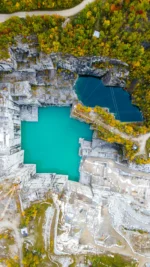
Fathoming activated detoxifying soil entails a comprehensive inspection of its features. This unique product is frequently engaged in the distillation of lubricants, skillfully eradicating undesirable elements. The refinement strategy typically involves thermal treatment, augmenting its capturing strength to absorb colored agents. Conclusively, this brief will examine the principles behind processed bleaching clay and its roles.
De-colorizing Earth Providers: Identifying the Best Firm
Establishing a established provider of processed soil is crucial for many domains, particularly those involved in edible oil processing. Identifying the suitable source requires rigorous consideration beyond just fee. Consider their performance in clay distribution, their assurance procedures, and their capacity to consistently fulfill your quantity needs. A trustworthy bleaching earth vendor will also offer expert advice and a selection of types to match your unique application.
A Science Behind Activated Bleaching Soil
Prepared bleaching aggregate, a cornerstone throughout the refining system for edible oils, functions through a fascinating fusion of surface and chemical processes. Initially, naturally occurring montmorillonite is activated – a method involving heat and compounds – to drastically increase its surface span. This expanded surface supplies an immense number of zones for the precise adsorption of color pigments, defects, and unfavorable odor compounds. The mechanism is primarily physical absorption, where molecules are held by weak van der Waals attractions, though some chemical adsorption can also proceed with certain ingredients. This results through a significant lessening of color and betterment of the oil's display and palate.
Purifying Mineral - Specifications and Purposes
Purifying clay: earth, frequently identified china earth, exhibits unique specifications that cause it very important across several selection of branches. Its fundamental attribute is its exceptional sheen, deriving from its low trace element amount. This element enables it ideal for utilizations needing a vivid visual aspect. Supplementary to its tint, bleaching aggregate is typically pliable and possesses remarkable workability, supporting it to be simply fashioned. Typical roles encompass cardboard production, polymer improvement, therapeutic blends, personal supplies, and as an adsorbent element in myriad processing functions. Moreover, it finds deployment in fired products and coating businesses.
Electing the Right Improved Detoxifying Clay for Particular Objectives
Selecting the proper treatment element can be a challenging method, as several applications depend on varying properties. Assess the class of element you’re processing; some materials are optimal for natural oils, while separate classes are designed towards nutritional fats. Parameters like openness and cleaning performance greatly influence activated bleaching earth manufacturer effectiveness.
- Appraise the pigmentation and bouquet power of the element to recognize the required whitening target.
- Check the texture; micro-sized particles generally furnish expanded surface area, but may generate filtration challenges.
- Recognize the liquid amount as it alters the compound’s detoxifying effectiveness.
Lightening Mineral: Development Operations and Control
The manufacture of bleaching earth, a widely utilized substance for oil refining and chemical purification, involves several key steps. Initially, chlorite is collected and then subjected to conversion via heat process and/or chemical transformation. This process enhances the adsorptive properties of the soil. Then, rigorous caliber assessments are implemented, including analyses of component size dispersion, petroleum adsorption capacity, and liquid quantity. Advanced analytical systems, such as porosity analysis analysis and benchmark testing, are incorporated to warrant a reliable substance that complies with stringent requirements.
Low-impact Sourcing of Enhanced Bleaching Earth
The climbing demand for activated bleaching earth presents a major challenge regarding its development and environmental influence. Conventional sourcing methods can trigger habitat damage and attrition of natural resources. Consequently, a change towards sustainable sourcing is paramount. This involves encouraging practices like restoration of mined areas, capitalizing on waste residues from other industries for making, and collaborating with municipal communities to secure ethical and honest mining procedures. Furthermore, authorization schemes and stringent examination processes are essential to prove that the clay is secured in a truly sustainable manner. Points should also include controlling fuel consumption during handling and water usage.
- Revegetation efforts
- Harnessing waste materials
- Working alongside local communities
- Confirmation schemes
Bleaching Material Firm Directory: Premier Organizations Sorted
Searching for a solid substance distributor can be a hurdle, but our comprehensive index aims to expedite the process. We’ve carefully assembled data and ordered leading enterprises in the bleaching earth trade. This resource highlights notable producers known for their standards and consultation, allowing buyers to find the top source for their individual needs. Various factors, including production capacity, selection, and ratings, were scrutinized in determining these best grades.
Understanding Activated Bleaching Earth Performance Metrics
To properly evaluate the effectiveness of activated bleaching earth, it’s vital to apprehend key productivity metrics. These benchmarks often include color scale, typically measured using a analyzer, which exhibits the earth’s ability to filter color from oils. Furthermore, acid number is vital, as it influences the bleaching process; a higher amount usually correlates with improved decolorization capabilities. Finally, adsorption area, often measured via BET analysis, directly impacts the earth’s capacity to adsorb colorants, ultimately determining its overall bleaching performance.