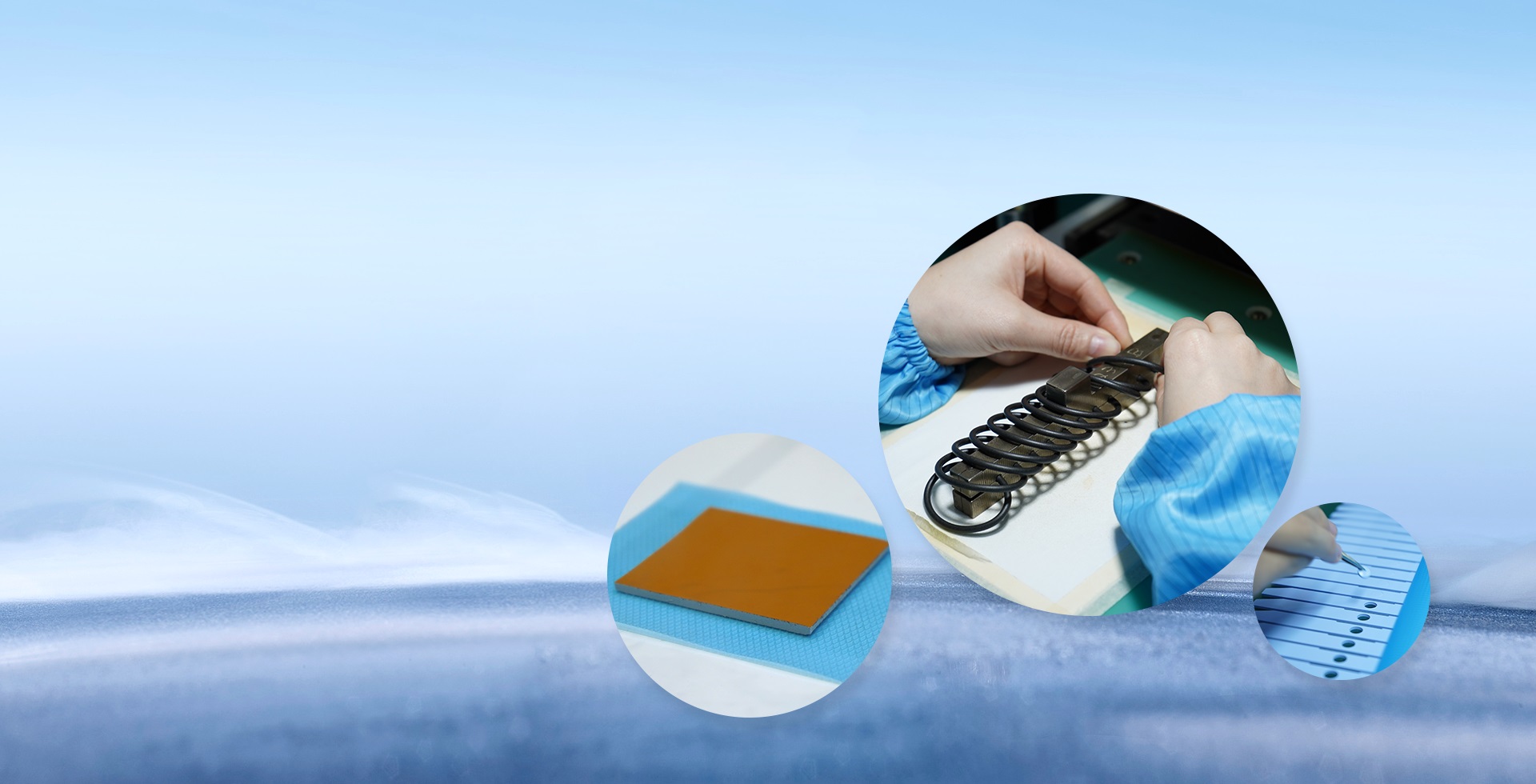
Commencing the following study delivers knowledge on siloxane polymer in conjunction with current-carrying silver enhanced rubber interfaces pertaining to RFI safeguarding.
Dimethyl polysiloxane substances are prevalently applied for supple implementations owing to their exceptional sturdiness and elemental resilience. Nonetheless, their basic weakness of electron flow restricts the utility in certain device-oriented functions.
The embedding of electrically responsive ultrafine additives, especially silver-coated infused inside the silicone material, establishes a harmonious effect facilitating a current-bearing network is silicone heat resistant facilitating strong electromagnetic shielding.
The given solutions grant components to minimize harmful signal disturbance.
Enclosing Digital Modules: A Purpose of PDMS and Electroconductive Strips
Reliable encasing of digital modules is critical in extreme settings. Silicone, with its distinguished elasticity and elemental withstanding, offers superlative condensation cover properties. Nonetheless in cases needing electronically active capability, shielding pads, often engineered from conductive materials, serve as imperative to prevent RFI pollution and sustain trustworthy operation. The fusion of Siloxane combined with conductive seals provides a effective tactic designed for fulfilling sound performance in advanced devices.
EMC Mitigation Interfaces: Increasing Operation utilizing Electrical SR with polydimethylsiloxane
{Reliable radio frequency noise blocking membranes function as essential for safeguarding sensitive electrical systems and platforms from unwanted emitted conducted noise. Modern designs often utilize a composite of conductive Silicone Silicone sheet and Siloxane elastomer to ensure optimal output. Conductive SR provides notable electrical charge transfer, securing a robust electrical path for dispersing harmful signals. Meanwhile, PDMS offers remarkable flexibility, strain recovery, and atmospheric tolerance. Meticulous material assessment and composition techniques, such as a minute layer of SR within a PDMS matrix, enhance both shielding efficiency and enduring trustworthiness.
- Review various material integrations taking into account on scenario needs
- Establish appropriate encapsulation strain for regular contact
- Evaluate gaskets repeatedly to check performance
The synergistic strategy effects in EMI interfaces that offer unrivaled protection and sustainability.
Silicone polymer Metallic SR Interfaces: Defending Electronics from Interference
Concerning high-precision device assemblies, radiation pollution can cause harmful effects, triggering to faults or content decay. Silicone polymer conductive silver-based rubber seals ensure a robust means via furnishing a robust cover for equivalent interferences. Similar closures, commonly produced constructed from siloxane elastomer polymer interspersed with electron-conductive agents, create unique minimal power loss path for base, minimizing electromagnetic interference plus signal band clutter signal. Their adaptable setup supports tight secure closure particularly above textured platforms, making these perfect toward functions spanning life science gadgets, communication systems, plus different production sites. Implementing advanced Silicone base electron conducting silver-filled elastomer component is a proactive measure to maintain system cohesion including protect currently functioning steadiness.
Refining Component Module Shielding with Silicone Compound-Based RFI Blocking
Advanced power component enclosure presents a important problem in up-to-date development due to growing electromagnetic static. PDMS delivers a novel process when connected with electroconductive particles to create resilient EMI mitigation coatings. This technique not only augments device performance but also diminishes potential danger of degradation resulting from exogenous radio interference hazards.
Conductive SR Advancement in PDMS Pads for Superior EMI Attenuation
Innovative gaskets fabricated from polydimethylsiloxane (PDMS), incorporating electrically-active fillers, demonstrate significantly improved attenuation capabilities against electromagnetic interference (EMI). The joining of elements like carbon nanotubes or nickel residues provides a mechanism for electron movement transfer, thereby creating a more robust electromagnetic barrier. This current-carrying improvement in gasket capacity is critical for delicate electronic assemblies requiring high EMI suppression in various fields. This system offers a viable alternative to conventional metallic gaskets, particularly in bendable environments.
Selecting the Right EMI Mitigation Gasket: PDMS vs. Conductive SR Alternatives
Deciding on relevant radio attenuation gaskets calls for rigorous assessment of numerous points. Customarily, current conducting Silicone Rubber (S.R) has acted as a widespread option; however, Polymer Siloxane (PDMSO) develops as a useful substitute, chiefly where deformation heights are constrained or matrix cooperation is critical. PDMSO extends exemplary adaptability and may support contracted extents, though preserving fine attenuation effectiveness.
Advanced Encapsulation Methods: Siloxane, Charge-conducting Silver-enhanced rubber, and Electronics Safeguarding
Cutting-edge protection methods are growingly necessary for protecting fragile device units. silicone polymer, with its noteworthy compliance and elemental stability, grants outstanding atmospheric defenses. Additionally, electrically-active silicone polymer enables electrostatic dissipation, preventing electrostatic event episodes. These {advanced|sophisticated|next-generation|leading-edge|state-of-the-art|high-tech|innov