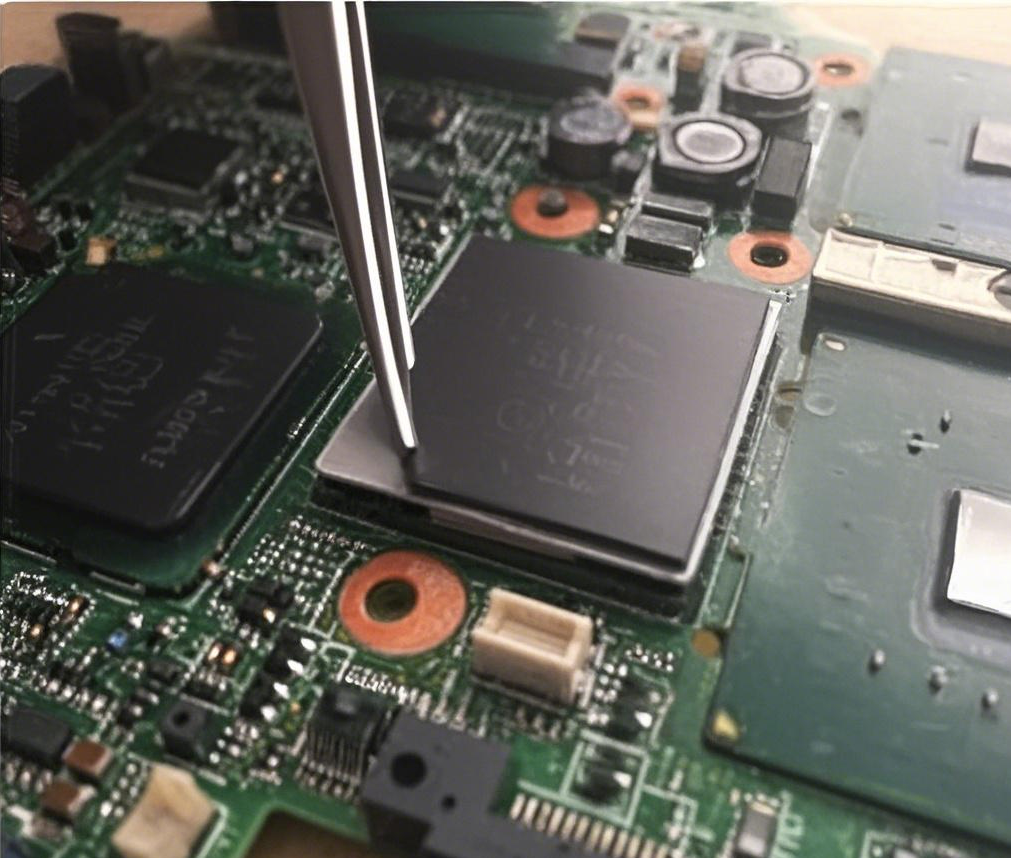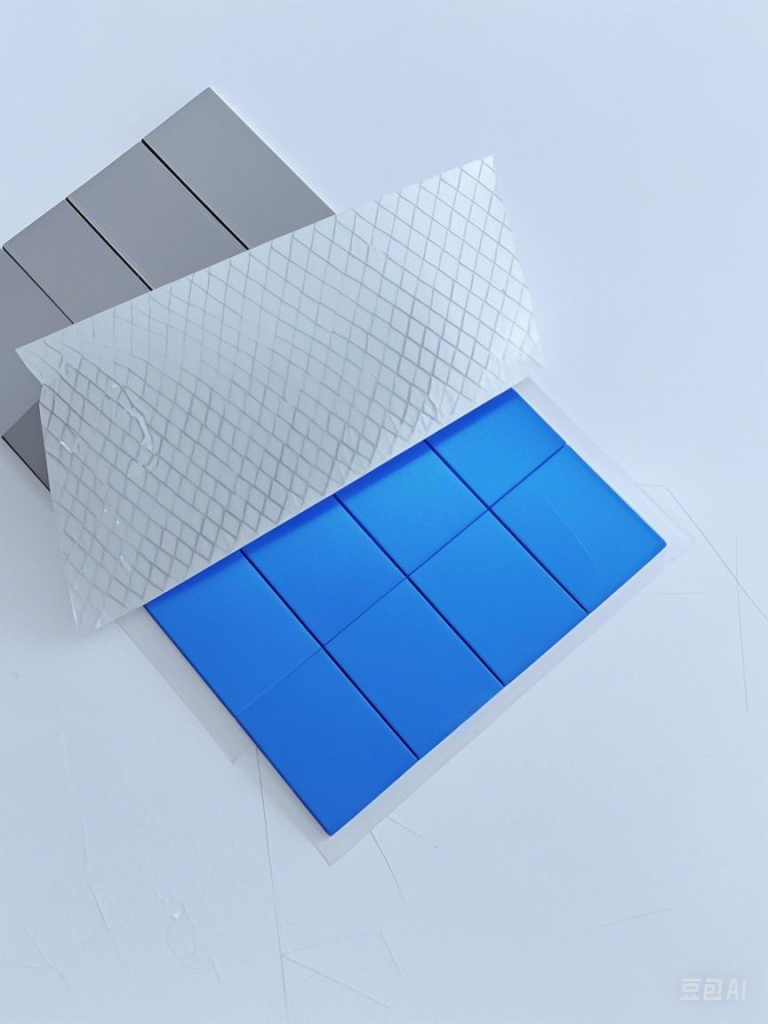
Beginning an piece offers details about siloxane polymer in conjunction with charge-conducting silicone rubber seals for electromagnetic interference defense.
Siloxane elastomer compounds are broadly applied for flexible purposes as a result of their remarkable longevity and molecular tolerance. Despite this, their natural absence of conductivity diminishes their effectiveness in dedicated device-oriented implementations.
The embedding of conductive nanometric components, especially Ag-based alloyed among the siloxane elastomer, creates a cooperative effect bringing about a transparent conductive film conductive fabric that enables dynamic EMC suppression.
That plans grant components to minimize harmful electrical disruption.
Enveloping Electrical Segments: Such Role of Siloxane and Electrically Pads
Efficient coating of digital modules is critical in extreme settings. Silicone, with its unmatched pliability and compound stability, supplies excellent water guard characteristics. Yet with systems necessitating electrical reliability, charge transporting gaskets, often manufactured from charge transporting compounds, can be indispensable to curb EMI disturbance and sustain trustworthy performance. A alliance of Siloxane Polymers and shielding components signifies a comprehensive solution to realizing secure work in high-tech hardware.
Electronic Shielding Gaskets: Boosting Efficiency by Electron transmission Silver-based Rubber and polydimethylsiloxane
{Reliable EMC disruption mitigation interfaces remain important for defending sensitive technological devices and frameworks from unwanted transmitted channelled noise. Advanced designs often use a mixture of conductive Silicone Silicone compound and Polydimethylsiloxane to achieve optimal capability. Conductive SR provides superior electrical transmission, ensuring a robust grounding for diffusing nuisance signals. Meanwhile, PDMS offers distinguished flexibility, stress relaxation, and climatic stability. Meticulous material assessment and composition techniques, such as a light layer of SR within a PDMS matrix, boost both shielding performance and long-term steadfastness.
- Contemplate alternative material mixtures based on purpose conditions
- Confirm proper concealment stress for reliable contact
- Analyze interfaces periodically to validate efficiency
This synergistic framework generates in EMI membranes that produce exceptional protection and endurance.
Polymer silicone Current-carrying SR Membranes: Maintaining Electronics from Pollution
In the case of critical hardware units, electromagnetic static may manifest as damaging effects, initiating into disruptions in addition to documentation degradation. Polymer silicone electroconductive SR interfaces furnish unique solid method utilizing offering effective effective defense toward those obstructions. The interfaces, typically manufactured built from siloxane elastomer polymer infused with electron-conductive additives, establish effective low-impedance route into electric ground, eliminating signal noise besides electromagnetic channel obstruction energy. These malleable arrangement provides the strong cover even over variable grounds, allowing them optimal toward functions spanning medical-grade equipment, networking platforms, coupled with assorted technical settings. Utilizing an Silicone elastomer electroconductive silver composite rubber barrier constitutes robust forward-looking strategy meant for support structure cohesion including protect currently functioning consistency.
Refining System Piece Wrapping with Siloxane Elastomer-Based Electrical Noise Attenuation
Efficient technological element insulation presents a major hurdle in modern creation due to escalating EMI pollution. PDMS provides a unique plan when connected with electroconductive particles to form solid EMI mitigation films. This strategy not only improves gadget capability but also lessens the likelihood of damage causing from external electrical noise issues.
Metallic SR Enhancement in PDMS Membranes for Improved EMI Protection
Latest pads fabricated from polydimethylsiloxane (PDMS), incorporating electron flow facilitating fillers, showcase significantly improved defense quality against electromagnetic interference (EMI). The inclusion of substances like graphene nanotubes or nickel powder provides a track for charge transmission, thereby creating a more strong electromagnetic barrier. This conductive augmentation in gasket functionality is critical for important electronic devices requiring remarkable EMI shielding in various disciplines. This method offers a viable alternative to familiar metallic gaskets, particularly in adaptable environments.
Determining the Right EMI Protection Gasket: PDMS vs. Conductive SR Replacements
Choosing fitting wireless protection closures demands precise consideration of diverse grounds. Often, charge carrier Silicone Rubber (SR) has existed as a prevailing selection; however, Diallyl Siloxane elastomer (Dimethylsiloxane) presents as a realistic alternative, mainly where squeezing levels are narrowed or medium compatibility is essential. PDMSO delivers advanced malleability and is capable of fit contracted extents, even though continuing remarkable blocking effectiveness.
Sophisticated Sealing Systems: Dimethyl polysiloxane, Electrically-active Silver-loaded elastomer, and Electrical machinery Guarding
Next-generation wrapping solutions are rapidly required for protecting fragile electronic parts. polymer silicone, with its prime supple nature and chemical resistance, affords excellent outside covers. As well, current-carrying silicone base opens possibilities electrostatic discharge elimination, minimizing electrostatic occurrence manifestations. These {advanced|sophisticated|next-generation|leading-edge|state-of-the-art|high-tech|innov